
Japanese deck lights aesthetic transcends mere illumination; it’s a carefully crafted expression of serenity, minimalism, and profound cultural influence. This style marries the beauty of nature with sophisticated design principles, creating an ambiance that invites relaxation and contemplation. From the meticulous selection of materials to the strategic placement of lighting, every element contributes to a harmonious and visually captivating space.
The aesthetic explores a spectrum of design elements, ranging from the careful consideration of space and the integration of natural light to the selection of specific furniture and accessories that complement the overall theme. Understanding the cultural and symbolic meanings embedded in traditional Japanese design principles is key to grasping the essence of this style.
Defining the Aesthetic
The Japanese deck lights aesthetic, a captivating blend of traditional artistry and modern design, evokes a sense of tranquility and sophistication. This style transcends mere illumination, offering a profound visual narrative that seamlessly integrates with the surrounding environment. It emphasizes natural materials, minimalist forms, and a harmonious interplay of light and shadow.This style prioritizes the creation of an atmosphere that is both aesthetically pleasing and functionally practical.
Careful consideration is given to the interplay of light and shadow, emphasizing the architectural features of the deck while simultaneously creating a serene and inviting ambiance. The aesthetic often employs a subtle color palette, drawing inspiration from nature and incorporating a sense of understated elegance.
Core Principles
The core principles of the Japanese deck lights aesthetic are rooted in the philosophy of “wabi-sabi,” emphasizing the beauty of imperfection and natural processes. This philosophy translates into a preference for natural materials, simple forms, and a harmonious relationship with the surrounding environment. Elements of Japanese minimalism are also integral, showcasing a design approach that values functionality and understated elegance over elaborate ornamentation.
Design Elements
Frequently associated with this aesthetic are minimalist shapes, often incorporating organic curves and flowing lines. Natural materials such as bamboo, wood, and stone are favored, providing a connection to the surrounding landscape. Soft, diffused lighting is often preferred over harsh, direct illumination, creating a calming and inviting atmosphere. The use of warm, neutral color palettes is another defining feature, reflecting the natural world and promoting a sense of serenity.
Lighting fixtures are designed to be unobtrusive, focusing on highlighting the architecture rather than drawing attention to themselves.
Historical and Cultural Influences
This style is deeply rooted in Japanese cultural aesthetics, drawing inspiration from centuries of artistic traditions and philosophical principles. The emphasis on natural materials, simplicity, and harmony with nature reflects a profound respect for the environment and the natural world. The concept of “wabi-sabi” is central, valuing the beauty of imperfection, impermanence, and the natural processes of change.
Traditional Japanese gardens, known for their serene landscapes and minimalist design, offer further insight into the underlying principles.
Visual Characteristics
Key visual characteristics include soft, diffused lighting, often achieved through indirect illumination techniques. The use of natural materials, such as bamboo or wood, creates a warm and inviting ambiance. Minimalist designs, with clean lines and subtle curves, are prominent. The palette generally incorporates warm, neutral tones, reflecting the natural world. The integration of the lighting with the surrounding architecture is paramount, aiming to enhance the existing structure and environment rather than overshadowing it.
Contrasting Aesthetics
This aesthetic stands in contrast to styles that emphasize ostentation, grandiosity, and intricate ornamentation. A comparison can be made with contemporary minimalist design, but the Japanese aesthetic often incorporates a deeper philosophical undercurrent. It also differs significantly from styles that rely heavily on dramatic lighting effects or bright, saturated colors. The emphasis on subtlety, harmony, and integration with nature distinguishes it from more aggressive or ostentatious designs.
Material Palette
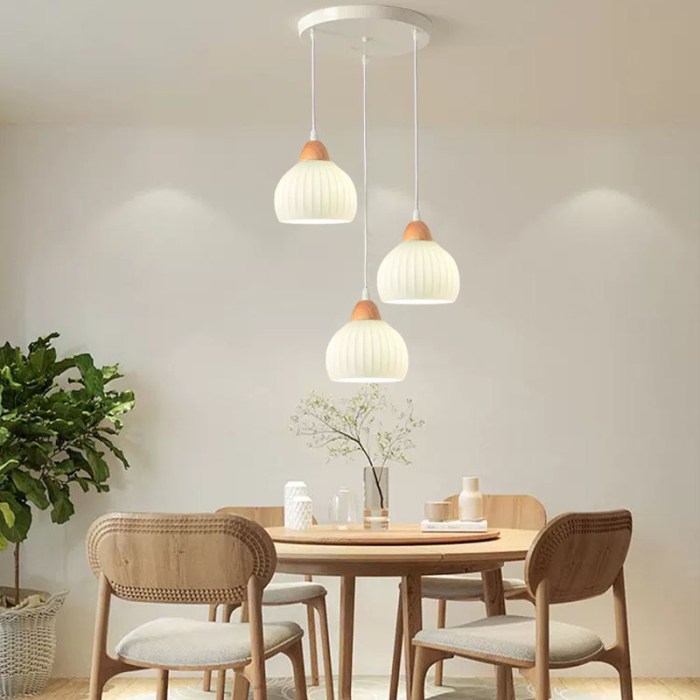
Japanese deck lights often draw inspiration from the natural world, reflecting a deep-seated reverence for tradition and the surrounding environment. This aesthetic prioritizes materials that are both durable and aesthetically pleasing, often showcasing a subtle elegance and understated beauty. The selection of materials and their application contribute significantly to the overall atmosphere and emotional impact of the design.Materials frequently employed in Japanese deck light design include weathered wood, meticulously crafted stone, and subtly treated metal.
These materials, chosen for their inherent qualities, are integrated into the design in ways that respect the surrounding landscape.
Common Materials and Their Application
Japanese deck light designs often feature wood, particularly aged or weathered varieties. The warm tones and natural textures of wood, such as cedar or cypress, create a sense of harmony with the surrounding environment. For example, a deck light structure might incorporate exposed wooden beams, meticulously carved into intricate patterns, or feature a weathered wooden base that blends seamlessly with the natural landscape.
Stone, with its enduring strength and inherent beauty, is also a prevalent choice. The use of stone can range from polished slabs that reflect light to rough-hewn stones that add a touch of rustic charm. These stone elements can be employed in the construction of seating areas, walls, or decorative features integrated with the deck lighting. Metal, often in the form of wrought iron or brushed steel, is used for accents, railings, or decorative elements that enhance the aesthetic without overwhelming the natural beauty of the surrounding environment.
The use of metal often complements the warm tones of wood and stone, providing a sophisticated counterpoint.
Color Palettes and Symbolism
Japanese deck light designs frequently incorporate a limited palette of muted colors, emphasizing the natural beauty of the materials themselves. These color palettes often include earthy tones such as warm browns, muted grays, and subtle greens. The muted colors of the Japanese palette evoke a sense of tranquility and serenity, drawing inspiration from the surrounding environment and the subtle beauty of nature.
The use of deep browns and grays, for example, can convey a sense of strength and timelessness. The careful selection of color contributes to the overall mood and atmosphere, often invoking a sense of calmness and peacefulness.
Material Comparisons and Aesthetic Impact
Different materials offer unique aesthetic impacts in Japanese deck light designs. Wood, with its inherent warmth and natural textures, creates a sense of intimacy and connection with nature. Stone, with its enduring strength and inherent beauty, evokes a sense of permanence and stability. Metal, with its refined and polished appearance, provides a sophisticated counterpoint to the natural materials.
The interplay between these materials is crucial in achieving the desired aesthetic, emphasizing the balance between natural elements and thoughtful design.
Textures and Their Enhancement
The interplay of textures is key in Japanese deck light designs. The rough-hewn textures of stone and wood, contrasted with the smooth surfaces of polished stone or metal, creates a visually appealing contrast. These varying textures, when carefully considered, enhance the visual interest and tactile appeal of the design. This deliberate use of textures, often in subtle ways, is key to the aesthetic.
The textures are designed to create a sense of depth and dimension. A smooth, polished surface might contrast with a rough-hewn wooden beam, enhancing the visual interest and drawing attention to the unique characteristics of each material.
Lighting Techniques
Japanese deck lighting designs prioritize a serene and minimalist aesthetic, employing subtle yet impactful lighting techniques. The goal is to create a sense of tranquility and harmony with the surrounding environment, rather than overwhelming it with bright, harsh illumination. Careful consideration of light and shadow is key to achieving this effect.Japanese design philosophy often emphasizes the interplay of light and shadow, viewing them as essential components of a balanced and aesthetically pleasing space.
This approach extends to deck lighting, where the soft, diffused glow of ambient light, accented by strategic highlights, contributes to the overall ambiance.
Ambient Lighting
Ambient lighting establishes the foundational mood of the deck. It’s the overall glow that permeates the space, creating a welcoming and comfortable atmosphere. Soft, diffused light from lanterns, string lights, or low-voltage LED fixtures contributes significantly to this. Japanese-inspired ambient lighting often utilizes warm-toned light bulbs to evoke a cozy, inviting feeling. Examples include strategically placed lanterns mimicking traditional Japanese garden designs or LED strips integrated into decking to cast a gentle glow.
Accent Lighting
Accent lighting is employed to highlight specific architectural features, plants, or landscaping elements on the deck. This type of lighting focuses on showcasing details rather than illuminating the entire area. It emphasizes texture and form. For example, spotlights on carefully cultivated bonsai trees or subtle uplighting on stone features accentuates their beauty and creates visual interest. This approach avoids harsh contrasts and instead focuses on a subtle highlighting that enhances the natural beauty of the elements.
Spotlights
Spotlights offer precise control over the direction and intensity of light, enabling designers to highlight specific elements on the deck. They are particularly useful for drawing attention to architectural details, sculptures, or water features. The use of spotlights, like strategically placed LED fixtures focused on water features, can create dramatic visual effects, particularly at night, emphasizing the tranquility and serenity of the Japanese aesthetic.
Lighting Fixture Examples
| Fixture Type | Description | Aesthetic Suitability |
|---|---|---|
| Japanese-style lanterns | Traditional lanterns crafted from materials like bamboo, paper, or ceramic. | Excellent; creates a warm, inviting ambiance. |
| Low-voltage LED string lights | Flexible string lights with warm-toned LEDs. | Suitable; offers a soft, diffused glow for a tranquil atmosphere. |
| Integrated LED strips | LED strips embedded into decking or steps. | Excellent; subtle and enhances the overall flow of the space. |
| Small, recessed spotlights | Compact spotlights ideal for highlighting architectural details or plants. | Good; adds depth and visual interest. |
| Water feature uplighting | Submerged or surface-mounted lights illuminating water features. | Excellent; creates a magical effect at night. |
Spatial Design Considerations
Japanese deck lighting designs prioritize harmony with the surrounding environment. This aesthetic, rooted in traditional Japanese principles, emphasizes a seamless integration of the built space with nature, creating a tranquil and immersive experience. The use of subtle lighting and natural elements is key to achieving this effect.Japanese deck designs often treat the deck as an extension of the surrounding landscape, rather than a distinct structure.
This approach emphasizes the importance of context and minimizes the visual impact of the deck itself. The goal is to create a sense of continuity between indoor and outdoor spaces, blurring the lines between the two.
Space Treatment in Japanese Deck Lights
Japanese deck designs often utilize low-profile lighting fixtures and subtle color palettes to maintain a sense of understated elegance. The space is treated as a continuation of the garden or natural surroundings, minimizing any visual disruption. Furniture and structures are selected to complement the natural elements, rather than compete with them. This approach creates a tranquil and immersive experience.
Integration of Natural Elements
Japanese aesthetics highly value the presence of natural elements. This is reflected in deck designs through the strategic incorporation of plants, stones, and water features. These elements create a connection with nature, bringing the beauty of the outdoors directly into the living space. For instance, carefully placed rocks can serve as focal points, while strategically positioned bamboo or other greenery can soften the lines of the deck and create a natural screen.
Use of Natural Light
Natural light is paramount in Japanese deck designs. Large windows, strategically placed openings, and open layouts maximize natural light penetration, reducing the need for artificial illumination. This approach emphasizes the beauty of the surrounding environment and creates a sense of openness and spaciousness. The soft, diffused light enhances the natural beauty of the space and creates a warm and inviting ambiance.
Minimalism and Simplicity
Japanese deck lighting design embraces minimalism and simplicity. This aesthetic is characterized by clean lines, uncluttered spaces, and the use of natural materials. Simplicity is achieved by choosing materials that blend seamlessly with the surroundings, avoiding any unnecessary embellishments. The focus is on creating a space that is both functional and visually appealing, without excessive ornamentation.
Examples in Different Deck Sizes and Layouts
The Japanese aesthetic can be seamlessly integrated into decks of various sizes and layouts. A small, intimate deck might feature a few strategically placed lanterns and a minimalist seating area, while a larger deck could incorporate a small pond or water feature, complemented by meticulously arranged plants and a few carefully selected pieces of furniture. In a contemporary setting, the use of bamboo fencing and low-profile lighting could create a serene atmosphere, regardless of the deck’s size.
Examples of Materials and Textures
Natural materials like bamboo, wood, and stone are commonly used to create a harmonious blend with the surrounding environment. The textures of these materials add depth and visual interest, further enhancing the natural ambiance. These materials are selected for their ability to complement and enhance the beauty of the natural surroundings. The tactile qualities of these materials contribute to the overall sense of serenity and connection with nature.
Cultural and Symbolic Meanings
Japanese deck lighting aesthetics draw heavily from the nation’s rich cultural heritage, weaving in symbolic meanings that resonate deeply with the principles of nature, serenity, and harmony. This aesthetic transcends mere illumination, becoming a visual embodiment of Japanese philosophy and worldview. The careful consideration of materials, colors, and forms reflects a profound respect for the environment and the pursuit of tranquility.Japanese design principles, often rooted in Zen Buddhism, heavily influence the aesthetic.
The goal is not just to illuminate but to create a space that fosters contemplation and appreciation for the natural world. The use of subtle, diffused light, combined with the selection of materials and patterns, aims to evoke a sense of peace and mindfulness.
Nature and Serenity
The Japanese aesthetic deeply values nature’s beauty and tranquility. This is reflected in the use of materials that mimic natural elements, such as stone and wood, in the design of deck lights. The design often incorporates elements inspired by Japanese gardens, with carefully placed lighting to highlight specific features, such as water features or rock formations, enhancing the sense of serenity.
This incorporation of natural elements is more than a stylistic choice; it’s a fundamental aspect of the cultural appreciation for the harmony between humanity and nature.
Colors, Patterns, and Textures
The color palette often incorporates natural tones, such as warm browns, earthy greens, and calming blues. These hues are chosen not just for their visual appeal, but also for their association with nature and the serenity they evoke. Patterns, often derived from traditional Japanese art forms, like the intricate designs of Sumo or Kintsugi, are subtly integrated into the deck lights’ design.
Textures are also important, with smooth, polished surfaces often contrasting with rougher, natural textures, creating a visual and tactile interplay. The deliberate use of materials and textures contributes to the overall mood and atmosphere.
Connection to Zen Principles
Japanese deck lights often embody Zen principles, emphasizing simplicity, mindfulness, and harmony. The lighting is designed to create a sense of tranquility and stillness, encouraging contemplation and introspection. The absence of ostentation or unnecessary embellishments reflects the Zen ideal of finding beauty in simplicity. The emphasis on natural materials, subtle colors, and harmonious integration with the surrounding environment further strengthens the connection to Zen principles.
Examples of Symbolic Meanings
Examples of symbolic meanings are evident in the choice of materials, such as using polished stone or weathered wood. These materials evoke a sense of permanence and the passage of time, reflecting the Japanese appreciation for history and tradition. The incorporation of water features or the subtle use of flowing patterns within the light design can symbolize the continuous cycle of life and the ephemeral nature of beauty.
Careful consideration of the interplay between light and shadow further reinforces the aesthetic, adding depth and meaning to the design. For example, a lantern-shaped light fixture, mimicking traditional Japanese lanterns, could represent welcoming or guiding light in a tranquil space.
Modern Interpretations
The Japanese deck light aesthetic, deeply rooted in tradition, is undergoing a fascinating evolution. Modern interpretations are embracing contemporary design principles while honoring the core values of simplicity, natural materials, and harmony with the environment. This adaptation is evident in the selection of materials, the application of lighting techniques, and the spatial design considerations, ultimately reflecting a dynamic interplay between the past and the present.Modern interpretations are not simply rehashing old designs; they’re a thoughtful reimagining, incorporating contemporary sensibilities while maintaining the essence of the original aesthetic.
This fusion of traditional and modern elements creates a uniquely contemporary approach to outdoor lighting, perfectly suited for modern living spaces.
Design Examples of Modern Interpretations
Modern interpretations of the Japanese deck light aesthetic are showcasing a variety of designs that reflect a contemporary sensibility. These designs often feature minimalist forms, utilizing clean lines and geometric shapes to create a sense of calm and sophistication. For instance, a deck light design might incorporate a sleek, metallic frame with a diffused LED light source, evoking a modern interpretation of traditional Japanese lanterns.
Adaptation of Traditional Elements for Contemporary Use
Traditional elements are being adapted for contemporary use in several ways. For example, the use of natural materials like bamboo and wood is still prevalent, but modern techniques are employed to create durable and weather-resistant finishes. Similarly, the concept of integrating lighting seamlessly into the surrounding environment, rather than making it a prominent feature, remains a key element.
This approach is being adapted by incorporating subtle, integrated lighting into architectural structures.
Integration of Modern Materials
Modern materials are increasingly being integrated into the designs. High-performance polymers, offering both durability and aesthetic appeal, are used to create modern versions of traditional lanterns and other fixtures. The incorporation of recycled materials, a key component of modern sustainability efforts, is also gaining traction, blending environmental consciousness with the traditional aesthetic. This integration ensures the design’s longevity and minimizes its environmental impact.
Evolution of the Aesthetic Over Time
The evolution of the aesthetic reflects a shift from traditional handcrafted designs to more mass-produced, yet still refined, options. Early examples emphasized natural materials and intricate details, while modern interpretations prioritize functionality and efficiency. The integration of modern technology, such as LED lighting, has significantly influenced the aesthetic’s development, allowing for greater control over light output and energy consumption.
This trend showcases a commitment to both aesthetics and sustainability.
Comparison of Traditional and Modern Interpretations
| Feature | Traditional | Modern |
|---|---|---|
| Materials | Natural materials (bamboo, wood, paper) | Natural materials (with modern finishes), polymers, recycled materials |
| Form | Intricate, often organic shapes | Clean lines, geometric shapes |
| Lighting | Warm, diffused light | Variable light output, energy-efficient LED |
| Functionality | Primarily decorative | Decorative and functional |
| Production | Handcrafted | Mass-produced with advanced manufacturing techniques |
Furniture and Accessories
Japanese-inspired deck spaces, illuminated by carefully chosen deck lights, benefit greatly from furniture and accessories that complement the aesthetic. The goal is to seamlessly integrate the indoor-outdoor living space, creating a tranquil and inviting atmosphere. Natural materials, thoughtful design, and a harmonious balance of elements are key to achieving this.The selection of furniture and accessories plays a vital role in shaping the overall ambiance of a Japanese-style deck.
Items should not only look visually appealing but also evoke a sense of serenity and connection with nature. Careful consideration of materials, forms, and colors ensures a cohesive and balanced design that resonates with the principles of Japanese aesthetics.
Furniture Choices
The selection of furniture should prioritize natural materials and simple, uncluttered forms. This approach reflects the Japanese emphasis on minimalism and natural beauty. Pieces should not overpower the space, allowing the natural surroundings and ambient lighting to take center stage.
- Low, minimalist seating: Items like low stools, tatami mats, or low sofas with natural fiber cushions are excellent choices. These pieces create a sense of openness and relaxation, allowing for a close connection with the surroundings.
- Natural Wood Furniture: Furniture crafted from natural wood, such as teak, bamboo, or cedar, is ideal. The warm tones and natural textures of these materials enhance the connection with nature. Examples include low coffee tables, side tables, and benches.
- Rattan or Wicker Furniture: These materials provide a breezy and light feel, perfectly suited for outdoor spaces. Rattan or wicker chairs and occasional tables create a sense of calmness and comfort. The natural weaving patterns complement the aesthetic.
Accessory Selection
Accessories should enhance the overall ambiance without overwhelming the space. They should complement the natural materials and simple forms of the furniture.
- Natural Textiles: Use cushions, throws, and rugs made from natural fibers like linen, cotton, or hemp. These textiles add warmth and texture while maintaining the minimalist aesthetic.
- Stone or Ceramic Decor: Simple stone or ceramic sculptures, vases, or decorative bowls can add subtle visual interest without detracting from the overall serenity.
- Japanese-Inspired Artwork: Consider incorporating framed prints of traditional landscapes, calligraphy, or ikebana arrangements. These subtle touches add a cultural element to the space.
Balance and Harmony
Achieving balance and harmony in the selection of furniture and accessories is crucial for a successful Japanese-style deck design. A well-balanced space avoids overcrowding and promotes a sense of calm and spaciousness.
| Category | Suggested Pieces |
|---|---|
| Seating | Low stools, tatami mats, low sofas with natural fiber cushions, wooden benches |
| Tables | Low coffee tables, side tables, wooden or rattan/wicker occasional tables |
| Decor | Stone or ceramic sculptures, vases, Japanese-inspired artwork, natural fiber rugs and throws |
Image Descriptions (for illustrations)
Illuminating the Japanese deck light aesthetic requires a visual component to fully capture its essence. Images are crucial in conveying the subtle interplay of materials, lighting, and symbolism that defines this style. Visual representations allow viewers to immerse themselves in the ambiance and appreciate the cultural nuances inherent in the design.
Image 1: The Zen Garden Deck
This image depicts a serene Japanese deck bathed in soft, ambient light. The materials evoke a sense of natural harmony. Weathered wood decking, perhaps treated with a natural oil finish, is complemented by carefully placed stone pavers and meticulously sculpted bonsai trees. Low-level lighting, strategically positioned beneath the deck or integrated into the stonework, highlights the textures and contours of the materials, casting subtle shadows that enhance the overall aesthetic.
The image subtly suggests a meditation space, or a place for contemplation and quiet appreciation of nature.
“The interplay of light and shadow, the textures of wood and stone, and the tranquil ambiance create a serene and contemplative atmosphere, encapsulating the essence of Japanese design.”
The caption for this image could read: “Zen Garden Deck: A harmonious blend of nature and design, illuminated by soft, ambient lighting, to create a tranquil escape.”
Image 2: The Paper Lanterns Deck
This image showcases a deck with a modern interpretation of Japanese aesthetics. The deck structure might be a contemporary design, perhaps a mix of steel and glass, or even a minimalist concrete deck. Paper lanterns, crafted from translucent rice paper, hang suspended above the deck, illuminated from within. The warm, diffused light emanating from the lanterns creates a soft, inviting atmosphere, casting a warm glow over the surrounding space.
The lanterns, with their delicate paper and subtle light, symbolize the ephemeral nature of beauty and the transience of moments. The scene might suggest a party or social gathering, blending contemporary elements with traditional Japanese design.
“The soft, diffused light from paper lanterns creates a warm, inviting ambiance, blending traditional Japanese design with a contemporary perspective.”
The caption for this image could read: “Paper Lanterns Deck: A contemporary take on Japanese aesthetics, where delicate paper lanterns and soft lighting transform the space into an inviting gathering spot.”
Image 3: The Floating Bridge Deck
This image shows a deck that appears to float above a water feature, perhaps a small pond or stream. The deck itself is constructed from treated wood, possibly cedar, with a natural finish that complements the surrounding landscape. Water-based LED lighting integrated into the deck structure casts an ethereal glow on the water, creating a mesmerizing effect. The water and light elements symbolize the harmony between nature and man-made structures.
The image creates a feeling of serenity and connection with nature, inviting the viewer to appreciate the beauty of the natural environment.
“The ethereal glow from integrated lighting casts a mesmerizing effect on the water, symbolizing the harmony between nature and man-made structures.”
The caption for this image could read: “Floating Bridge Deck: A serene sanctuary, where integrated lighting and natural elements converge to create a tranquil and harmonious experience.”
Practical Considerations
Bringing a Japanese deck lighting aesthetic to life requires careful consideration of practicality. From material selection to installation, each aspect must balance the aesthetic vision with real-world demands for safety, durability, and long-term maintenance. This meticulous approach ensures the design remains a source of beauty and enjoyment for years to come.Implementing a Japanese deck lighting design demands a thorough understanding of its practical elements.
The selection of materials, installation techniques, and maintenance protocols all play critical roles in ensuring the aesthetic’s longevity and functionality. Thoughtful planning minimizes future issues and maximizes the enjoyment derived from the design.
Safety and Durability Considerations
Ensuring the safety and durability of the deck lighting system is paramount. Materials should be resistant to weather conditions, including UV exposure, moisture, and temperature fluctuations. For instance, aluminum or stainless steel are highly recommended for their longevity and resistance to corrosion. High-quality outdoor-rated electrical components are essential to prevent electrical hazards.
Maintenance Requirements
Regular maintenance is crucial to preserving the aesthetic appeal and functionality of the deck lighting. Materials like bamboo or natural stone require specific cleaning and protection measures to maintain their integrity. Glass and acrylic components necessitate careful cleaning to prevent clouding or scratching. Regular inspections and cleaning of wiring and connections prevent potential electrical problems and fires.
Installation Methods
Various installation methods are available, each with specific advantages and disadvantages. For example, embedded lighting requires careful preparation of the deck surface, but offers a seamless integration with the environment. Surface-mounted fixtures provide a more versatile approach, allowing for greater design flexibility. Specific installation methods should be aligned with the chosen materials and the overall design goals.
Consultations with licensed electricians are essential for all electrical installations.
Maintaining the Aesthetic Over Time
The ongoing maintenance of the aesthetic involves regular checks and upkeep. Regular cleaning and inspections can mitigate potential damage. This might include removing debris, checking for corrosion, and tightening connections. Periodic re-evaluation of the lighting plan can enhance its functionality and aesthetic impact. Lighting adjustments should be made as necessary to ensure optimal illumination and visual harmony.
Inspiration and Case Studies
The Japanese deck lights aesthetic, rooted in minimalism and natural harmony, offers a compelling pathway for modern design. Its application in real-world settings, however, requires careful consideration of context and purpose. This exploration delves into successful implementations, highlighting both the benefits and potential drawbacks of embracing this aesthetic in various projects.Real-world implementations of the Japanese deck lights aesthetic showcase its adaptability across diverse settings, from residential patios to expansive commercial spaces.
The key lies in understanding the aesthetic’s core principles and applying them thoughtfully to achieve a harmonious balance between form and function.
Real-World Applications
The aesthetic’s success hinges on its ability to blend seamlessly with the surrounding environment. Projects that successfully incorporate this aesthetic often feature carefully chosen materials, natural light integration, and thoughtful spatial design. The aesthetic’s inherent focus on minimalism and natural elements translates well into outdoor spaces, promoting relaxation and connection with the outdoors.
Successful Design Implementations
Examples of successful implementations include the use of Japanese-inspired deck lighting in upscale residential properties. These designs often incorporate subtle, warm-toned lighting, creating an intimate and serene atmosphere. Another noteworthy example is the integration of this aesthetic into modern hotel courtyards. Here, the aim is to create a sense of tranquility and cultural immersion for guests, using carefully placed lighting fixtures to highlight architectural features and surrounding landscaping.
Applying Principles to Different Project Types
The application of Japanese deck lights aesthetic principles can be tailored to various project types. For residential projects, the focus might be on creating a peaceful outdoor retreat. In commercial projects, the goal could be to establish a sophisticated and welcoming atmosphere. Regardless of the project type, the key lies in the thoughtful integration of the aesthetic principles to create a meaningful experience.
Benefits and Drawbacks
The aesthetic’s inherent elegance and simplicity offer several benefits, including a reduction in visual clutter, a promotion of serenity, and an overall sense of harmony with nature. However, maintaining the aesthetic’s purity in a contemporary setting can be challenging, especially in projects that require high levels of functionality or practicality. Carefully considering the balance between the aesthetic and practicality is crucial for success.
Case Studies
| Case Study | Project Type | Design Choices | Benefits | Drawbacks |
|---|---|---|---|---|
| Kyoto Courtyard | Hotel Courtyard | Warm-toned LED lights, strategically placed to highlight the landscaping and stone pathways; integration of natural materials like bamboo and stone; minimal furniture; focus on natural light | Enhanced tranquility and cultural immersion for guests; created a visually appealing and calming space; harmonious integration with surrounding environment | Potential for higher initial costs due to specialized materials; limited flexibility in furniture choices to maintain the aesthetic |
| Zen Garden Patio | Residential Patio | Low-profile, discreet lighting fixtures; use of warm-toned lighting to accentuate the garden’s features; natural materials like wood and stone; emphasis on minimal design | Created a tranquil and peaceful retreat; fostered a sense of connection with nature; high visual appeal and sense of serenity | Potential for reduced flexibility in accommodating large gatherings or diverse needs; maintenance of the aesthetic can be time-consuming. |
| Modern Japanese Restaurant | Commercial Restaurant | Warm-toned lighting fixtures strategically placed to highlight the interior architecture; use of natural materials like wood and bamboo; minimalist décor; ambient lighting to enhance dining experience | Created a sophisticated and welcoming ambiance; enhanced the overall dining experience; promoted a sense of calm and focus | Potential need for careful consideration of practicality for commercial operation; maintaining the aesthetic’s purity in a high-traffic area can be challenging. |
Future Trends
The Japanese deck lighting aesthetic, deeply rooted in minimalist principles and a reverence for natural elements, is poised for evolution. Future trends will likely blend traditional values with cutting-edge technologies, creating designs that are both aesthetically pleasing and environmentally conscious. This evolution will involve a nuanced approach to materials, lighting, and design, reflecting a growing global appreciation for Japanese design principles.The future of Japanese deck lighting will likely see a greater emphasis on sustainable practices and innovative materials.
This will be driven by a confluence of factors, including environmental concerns and the ongoing exploration of new materials. Designers will need to find ways to create striking, long-lasting lighting solutions while minimizing their environmental impact.
Material Innovations
The pursuit of sustainability in materials will be a key driver in future designs. Recycled and bio-based materials will become increasingly important, alongside advancements in composite materials that offer strength and durability without significant environmental cost. For instance, bamboo, reclaimed wood, and innovative plastics derived from agricultural byproducts are already gaining traction in design applications, showing potential for integration into deck lighting systems.
This shift reflects a broader trend towards eco-conscious design choices, not just in Japan, but globally.
Lighting Technology Advancements
Expect to see a greater integration of smart lighting technologies. Connected systems will allow for dynamic adjustments to lighting intensity, color temperature, and even patterns, responding to the time of day, weather conditions, or even user preferences. This could include incorporating sensors to automatically adjust lighting based on ambient light levels, mimicking natural light transitions. For example, the use of LED technology with advanced color-tuning capabilities can create a dynamic interplay of light and shadow that enhances the visual appeal of a deck space.
Design Adaptations for Diverse Locations
The adaptability of the Japanese aesthetic will be a significant factor. Designs will need to be tweaked for different geographical climates. Considerations like UV resistance, humidity, and extreme temperatures will influence material choices and lighting fixture design. For example, in warmer climates, heat-resistant materials and optimized cooling systems for lighting fixtures will be crucial. Conversely, in colder regions, insulated materials and energy-efficient lighting will become paramount.
This adaptability is crucial for wider global appeal and relevance.
Sustainability Integration
Sustainability will be paramount in future designs. The use of energy-efficient LED lighting, materials sourced from sustainable forestry or recycled streams, and the integration of renewable energy sources will be common practices. The Japanese aesthetic will likely be recognized for its commitment to reducing environmental impact through innovative design and material selection. This includes strategies like maximizing light penetration and minimizing energy waste through smart controls.
For example, integrated solar panels for charging lighting systems can demonstrate a strong commitment to sustainable practices.
Final Summary
In conclusion, the Japanese deck lights aesthetic offers a compelling blend of tradition and modernity, seamlessly integrating natural elements and minimalist principles. From the material palette to the lighting techniques and spatial design, this style provides a framework for creating a tranquil and inspiring outdoor living area. The careful consideration of symbolism and cultural context elevates the design beyond mere aesthetics, fostering a deeper connection with nature and Japanese heritage.
Modern interpretations of this timeless aesthetic promise continued relevance and adaptation for various contexts and personal preferences.
